


Address:
1449 Avondale Haslet Rd
Haslet, TX 76052


Can you correct nearsightedness in kids?
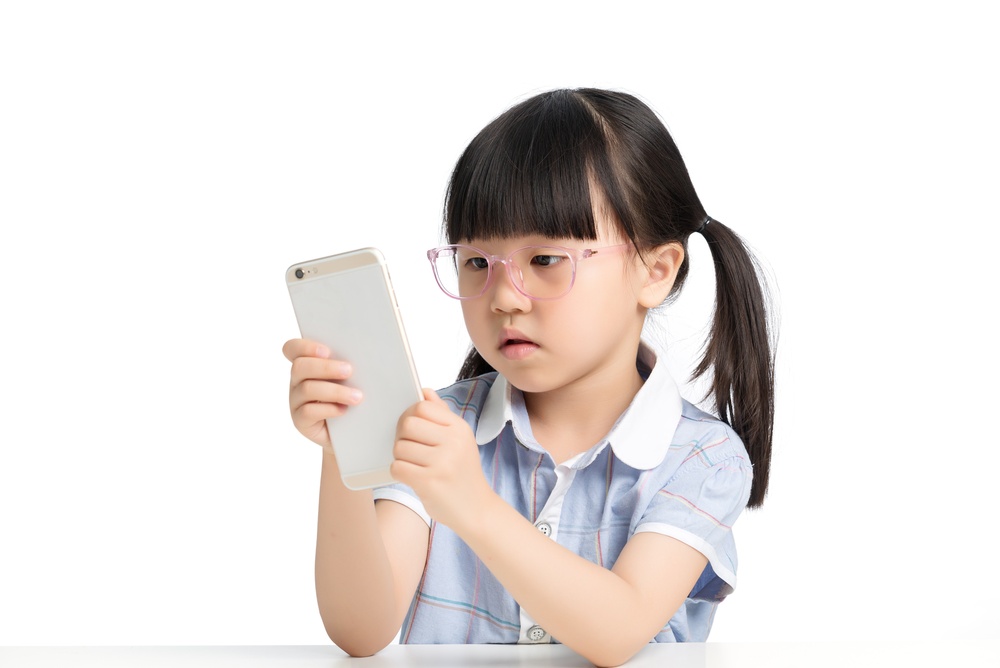
Nearsightedness, also called myopia, is becoming more common in children. If your child can see up close but struggles to read the board at school, recognize signs from a distance, or see clearly during sports, they may be developing myopia. At Joy Family Eye Care, we help families understand what nearsightedness means and what can be done to support clearer vision and long-term eye health.
What Is Nearsightedness In Kids?
Nearsightedness happens when the eye grows too long or the cornea is shaped in a way that causes light to focus in front of the retina instead of directly on it. This makes distant objects look blurry while near objects may still look clear.
For kids, myopia can affect school performance, sports, confidence, and everyday comfort. Some children may not realize their vision is blurry because they assume everyone sees the same way they do.
Can Nearsightedness Be Corrected?
Yes, nearsightedness in kids can be corrected with prescription glasses or contact lenses. These options help your child see more clearly, but they do not always slow the progression of myopia.
That is why many families ask about myopia management. Instead of only correcting blurry vision, myopia management focuses on helping slow how quickly nearsightedness worsens over time.
Signs Your Child May Be Nearsighted
Children do not always tell parents when their vision changes. A comprehensive pediatric eye exam can help identify myopia early, especially if you notice signs such as:
- Squinting to see far away
- Sitting too close to the TV or holding screens close
- Complaining of headaches or tired eyes
- Struggling to see the board at school
- Losing interest in sports or distance-based activities
- Frequent changes in glasses prescriptions
Why Myopia Management Matters
When nearsightedness progresses, the eye can continue to elongate. Higher levels of myopia may increase the risk of certain eye health concerns later in life, including retinal problems, glaucoma, and other complications.
Myopia management gives us a proactive way to care for your child’s vision. The goal is not just to help them see better today, but to help protect their eye health as they grow.
Treatment Options For Childhood Myopia
Every child’s eyes are different, which is why we begin with a detailed eye exam and personalized recommendations. Depending on your child’s age, prescription, lifestyle, and eye health, myopia management may include specialty contact lenses, orthokeratology, or other treatment options designed to help slow progression.
We also talk with families about habits that may support healthy vision, such as taking breaks from near work, spending time outdoors, and keeping up with routine eye exams.
When Should Kids Have Their Eyes Checked?
Children should have regular eye exams even if they pass a school vision screening. Screenings can miss many vision and eye health concerns, including early signs of myopia progression.
If your child has blurry distance vision, a rapidly changing prescription, or a family history of nearsightedness, it is a good idea to schedule an exam. Early care gives us more opportunity to monitor changes and recommend the right next steps.
Helping Your Child See Clearly
Correcting nearsightedness in kids starts with understanding the cause of their blurry vision and choosing care that fits their needs. At Joy Family Eye Care, we provide personalized eye care for children and families in Haslet, TX, with a focus on clear vision, comfort, and long-term eye health.
To schedule a pediatric eye exam or myopia management consultation, contact Joy Family Eye Care in Haslet, TX at 1449 Avondale Haslet Rd, Haslet, TX 76052 by calling 1-817-439-5400.
© 2026 Joy Family Eye Care. All rights Reserved - Accessibility Statement - Privacy Policy - Sitemap
Powered by
