


Address:
1449 Avondale Haslet Rd
Haslet, TX 76052


Diabetic Eye Exams: Why Clear Vision Doesn’t Tell the Whole Story
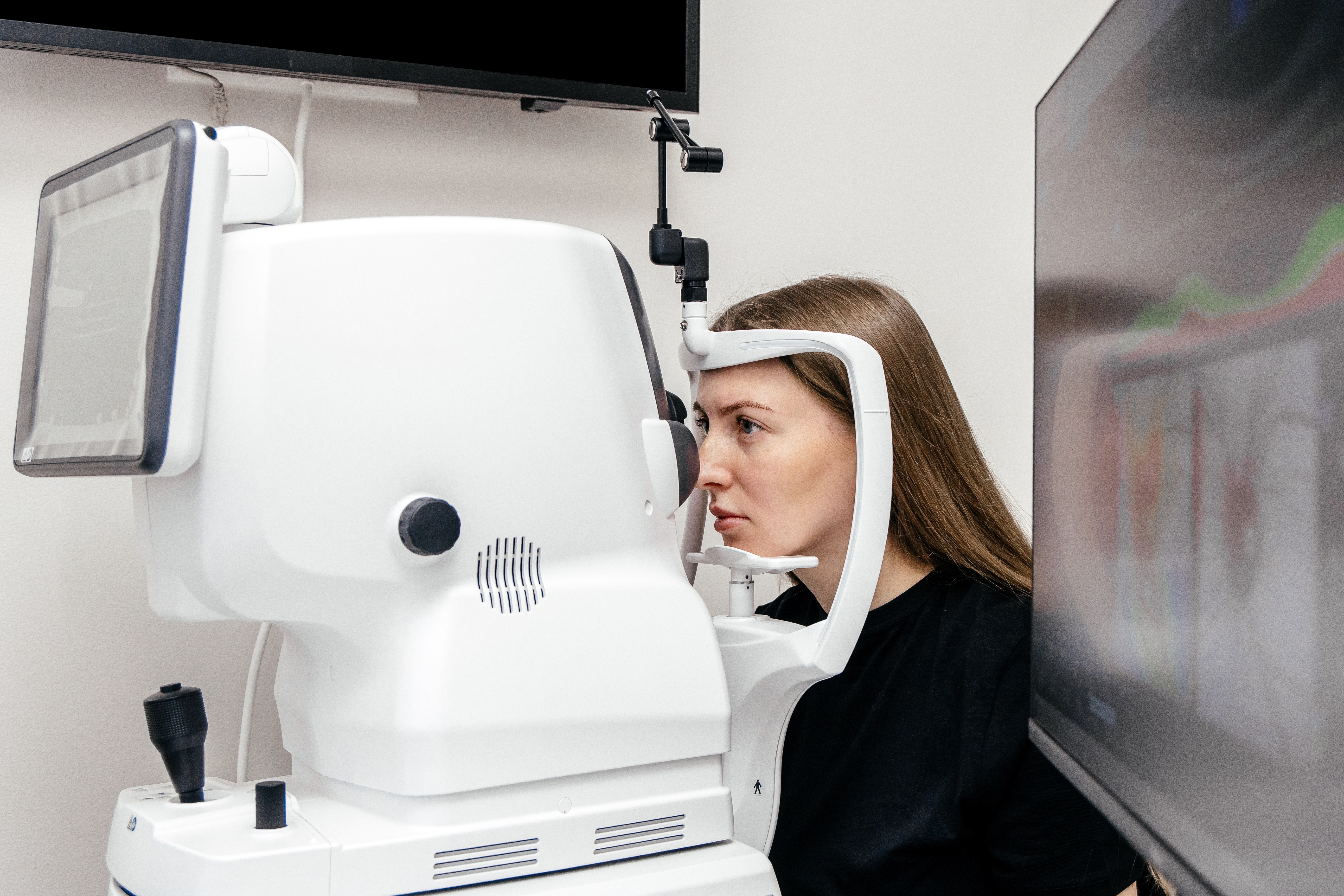
If you have diabetes and can still see clearly, it may seem like your eyes are doing just fine. However, diabetes can affect the small blood vessels inside the eyes before you notice blurry vision or other symptoms. That is why regular diabetic eye exams are an important part of protecting long-term eye health.
At Joy Family Eye Care in Haslet, we provide diabetic eye exams that look beyond visual clarity to evaluate the retina and other structures that may be affected by diabetes.
How Can Diabetes Affect the Retina?
The retina is the light-sensitive tissue at the back of the eye. Over time, elevated blood sugar can damage its small blood vessels, potentially leading to diabetic retinopathy.
These blood vessels may weaken, leak fluid or blood, become blocked, or develop other abnormalities. Diabetes can also contribute to diabetic macular edema, which involves swelling in the area responsible for detailed central vision.
One challenge is that early diabetic retinopathy may cause no obvious symptoms. You can still read, drive, and work comfortably while changes are developing inside the eye.
What Does a Diabetic Eye Exam Check?
A diabetic eye exam focuses on both your vision and the health of the structures inside your eyes. Depending on your individual needs, we may evaluate:
Your visual acuity and current prescription
The retina and retinal blood vessels
The macula for signs of swelling or other changes
The optic nerve and eye pressure
Differences compared with previous examinations or images
Your health history also matters. Let us know how long you have had diabetes, which medications you take, and whether you have noticed recent changes in your blood sugar control or vision.
Why Isn’t Clear Vision Enough?
Visual acuity measures how clearly you can see, but it does not provide a complete picture of retinal health.
Diabetic eye disease can begin in areas that do not immediately interfere with central vision. This means you may still have 20/20 vision while early retinal changes are present.
For patients with diabetes in Haslet, regular examinations give us an opportunity to identify concerning findings before relying on symptoms to signal that something has changed.
How Can Retinal Imaging Help?
Advanced retinal imaging can provide detailed information about structures inside the eye. Images may also be saved so current findings can be compared with future examinations.
Depending on your needs, imaging can help document the retina, optic nerve, and other structures that require monitoring. Pupil dilation may also be recommended to provide a broader view inside the eye.
Retinal imaging and dilation can complement one another. Imaging does not automatically replace a dilated examination when dilation is clinically indicated.
How Often Should You Have a Diabetic Eye Exam?
Many people with diabetes need a comprehensive dilated eye examination at least once a year, although the appropriate schedule depends on your type of diabetes, previous retinal findings, pregnancy status, and overall health.
If diabetic retinopathy is already present, more frequent monitoring may be recommended.
Managing blood sugar, blood pressure, and cholesterol according to your healthcare team’s recommendations can also support long-term eye health. Your eye exams work alongside your overall diabetes care rather than replacing it.
Know Which Vision Changes Need Prompt Attention
Even with regular exams, do not wait for your next scheduled appointment if you notice a significant change. New floaters, increasing blurry vision, dark areas, or unexplained changes in visual clarity should be evaluated.
Sudden vision loss, flashes of light, a rapid increase in floaters, or a curtain-like shadow across your vision requires urgent eye care.
If you have diabetes and are due for an eye health evaluation, contact Joy Family Eye Care at 1449 Avondale Haslet Rd., Haslet, TX 76052 by calling (817) 439-5400 to schedule your diabetic eye exam.
© 2026 Joy Family Eye Care. All rights Reserved - Accessibility Statement - Privacy Policy - Sitemap
Powered by
