


Address:
1449 Avondale Haslet Rd
Haslet, TX 76052


Why Your Migraine Treatment Isn't Working: The Haslet Guide to Binocular Vision Dysfunction (BVD)
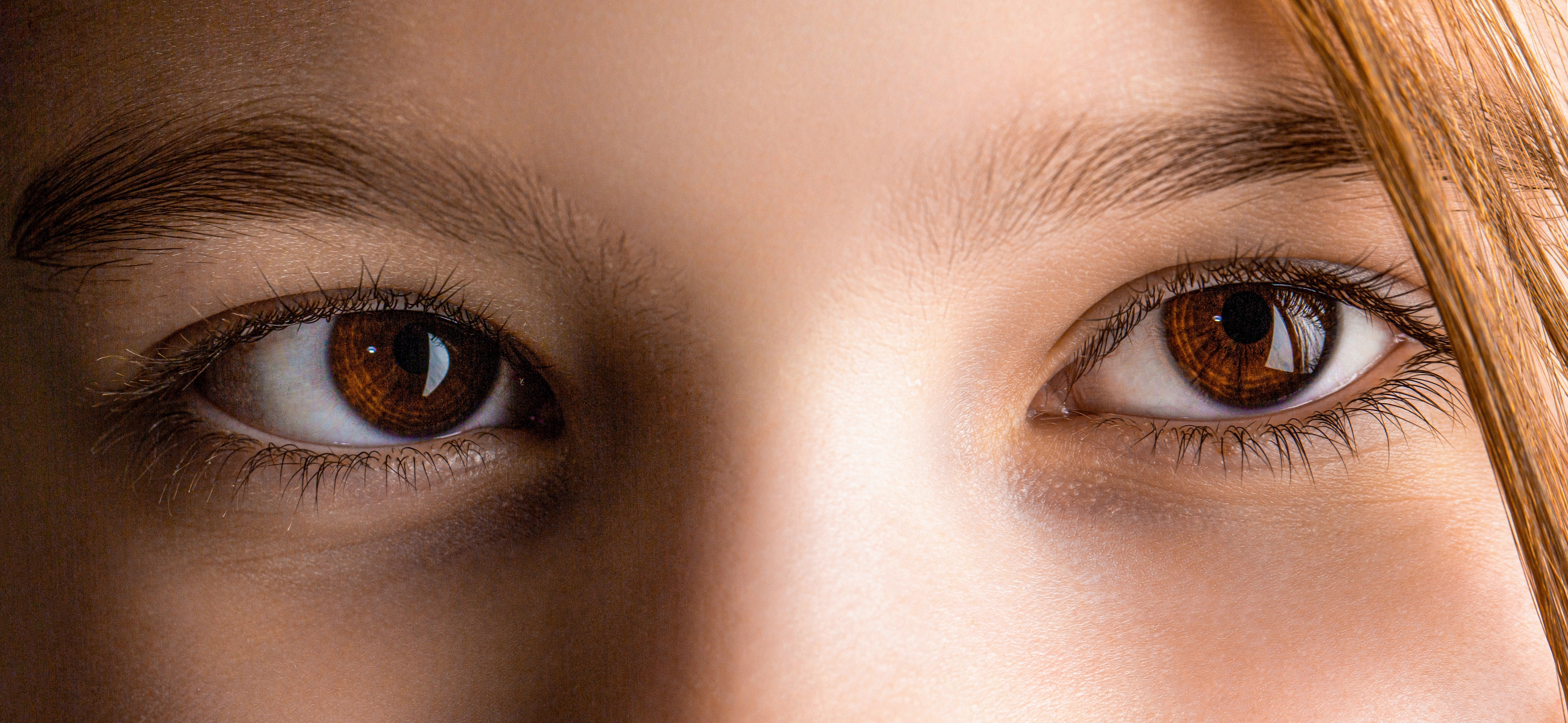
If you have tried migraine treatments but still deal with headaches, dizziness, eye strain, or light sensitivity, the problem may not be only neurological. For some patients in Haslet, binocular vision dysfunction, also called BVD, can create symptoms that feel similar to migraines. At Joy Family Eye Care, NeuroVisual Medicine helps identify whether small eye misalignments are forcing your visual system to work harder than it should.
What Is Binocular Vision Dysfunction?
Binocular vision dysfunction happens when the eyes are slightly misaligned and do not work together as comfortably as they should. Even a small misalignment can make the brain work harder to combine two images into one clear image. Over time, that extra effort can lead to headaches, eye strain, dizziness, neck tension, motion sensitivity, and trouble focusing.
Many people with BVD have been told their eyes are healthy or that their prescription is fine. That can be frustrating, especially when symptoms continue. A standard eye exam may not always detect the subtle visual misalignment that contributes to BVD symptoms.
Why BVD Can Feel Like A Migraine
BVD does not mean every migraine is caused by the eyes. Migraine can have many triggers and should be managed with the right medical guidance. However, binocular vision dysfunction can create migraine-like symptoms because the eyes and brain are constantly trying to compensate.
For Haslet patients, this can show up during everyday activities like driving, reading, using screens, shopping in bright stores, or working under fluorescent lights. When the visual system is overloaded, headaches and discomfort may become more frequent.
Signs Your Headaches May Be Vision-Related
If your migraine treatment is not giving you enough relief, it may be worth asking whether your eyes are contributing to the problem. BVD symptoms often overlap with other conditions, which is why a specialized evaluation matters.
Common signs of binocular vision dysfunction may include:
- Headaches around the forehead, temples, or eyes
- Dizziness, lightheadedness, or motion sensitivity
- Eye strain after reading or screen use
- Neck, shoulder, or upper back tension
- Difficulty driving, especially at night
- Sensitivity to bright lights, glare, or busy environments
- Feeling anxious or overwhelmed in stores, crowds, or traffic
These symptoms do not automatically mean you have BVD, but they are worth discussing with an eye doctor trained in NeuroVisual Medicine.
What Makes A NeuroVisual Exam Different?
A NeuroVisual exam goes beyond checking whether you need glasses or contacts. It evaluates how your eyes align, how hard they work together, and whether a small misalignment may be creating symptoms. At Joy Family Eye Care in Haslet, this type of exam is designed for patients who have headaches, dizziness, visual discomfort, or ongoing symptoms that have not been fully explained.
The process may include a detailed history, symptom questionnaire, eye alignment testing, and specialized measurements. These details help determine whether binocular vision dysfunction is part of your headache or migraine pattern.
How Microprism Glasses Can Help
If BVD is found, microprism glasses may be recommended. These lenses are designed to help the eyes work together with less effort. By reducing visual strain, they may help ease symptoms related to eye misalignment, including headaches, dizziness, and discomfort during visually demanding tasks.
For some Haslet patients, the difference can be noticeable during daily activities that used to feel exhausting. Reading, working on a computer, driving, and walking through busy spaces may feel more comfortable when the visual system is better supported.
When To Ask About BVD
If you have already spoken with your primary care doctor or specialist and your symptoms continue, a BVD evaluation may be a helpful next step. This is especially true if your headaches are paired with dizziness, eye strain, neck tension, or visual sensitivity. Getting the right diagnosis matters because treating symptoms without identifying the cause can leave patients stuck in the same cycle.
Schedule your binocular vision dysfunction evaluation with Joy Family Eye Care at 1449 Avondale Haslet Rd., Haslet, TX 76052. Call (817) 439-5400 to book your appointment.
© 2026 Joy Family Eye Care. All rights Reserved - Accessibility Statement - Privacy Policy - Sitemap
Powered by
